

Resources for Spray-Drone Operators
Build a Stronger Commercial Operation
WeedGunners is being built to help spray-drone service providers prepare for commercial vegetation work, communicate capabilities clearly, and connect with customers who need help across linear rights-of-way, managed sites, and land-management projects.
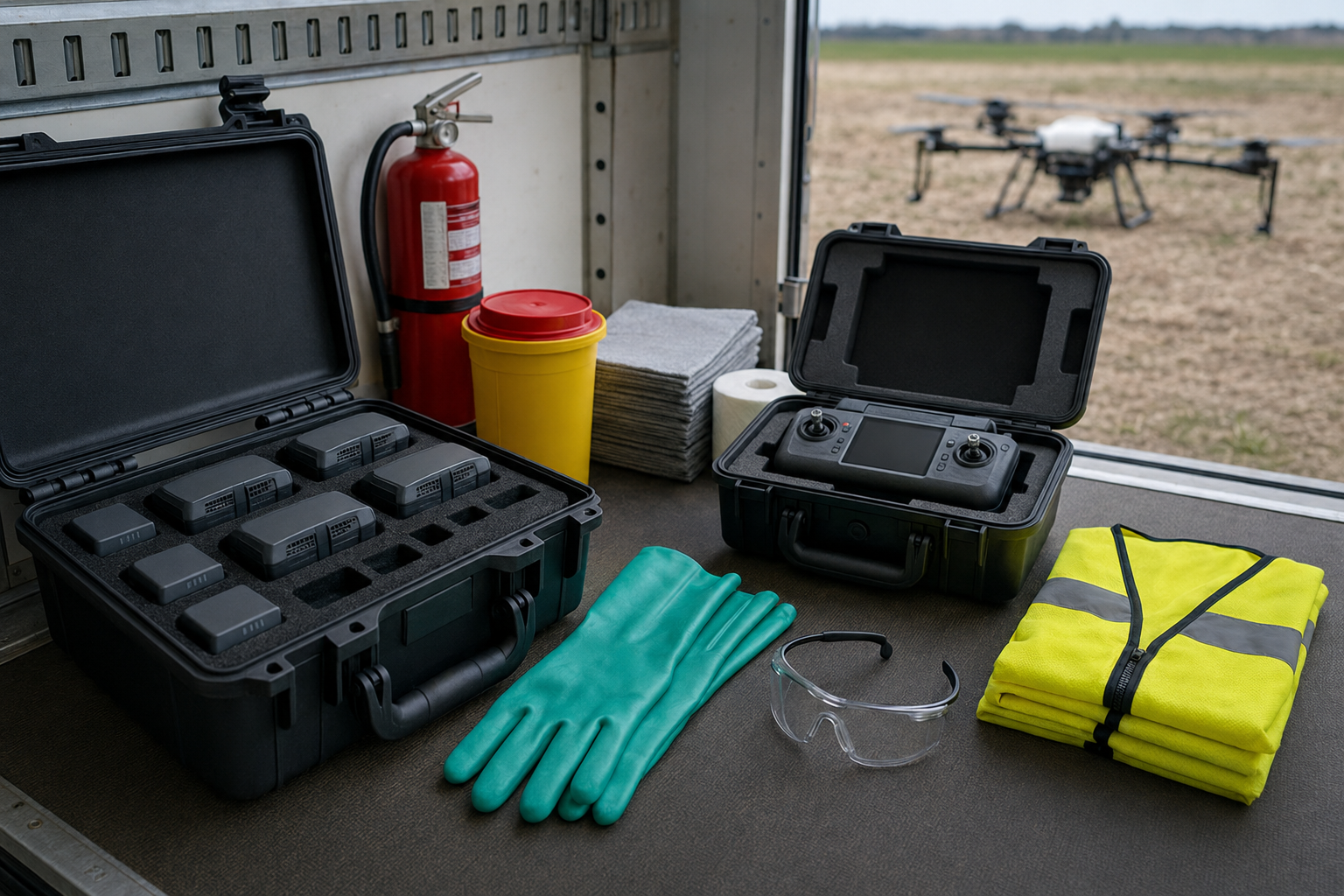
Commercial ROW Opportunity
Prepare to Serve Linear Infrastructure
Pipeline and midstream operators, electric utilities, railroads, transportation agencies, drainage authorities, telecommunications providers, and other ROW managers may have demanding requirements beyond simply applying product.
Be ready to discuss:
- Service geography, mobilization, capacity, and scheduling
- Corridor access, treatment boundaries, targets, and sensitive areas
- Operating authority, application credentials, insurance, and safety practices
- Equipment fit, product constraints, weather limits, and exclusions
- Application records, location documentation, effectiveness review, and follow-up
More Than a Listing
Compete on Clarity and Execution
Commercial customers need to understand what an operator can do, where the service is available, and how the work will be planned and documented. WeedGunners will help operators present that information consistently while leaving customers responsible for independent verification and project-specific due diligence.
Define Your Market
Identify the geographies, industries, vegetation challenges, project scales, and application types that fit your operation.
Scope the Work
Ask better questions about acreage, corridor geometry, access, timing, target vegetation, exclusions, products, and reporting expectations.
Deliver the Record
Plan for application records, treatment locations, field notes, exceptions, follow-up, and the ability to reconstruct what occurred later.
Professionalism, IVM & IHM Readiness
Professionalism Builds Customer Confidence
Professional conduct matters on every project. Commercial ROW customers often place added emphasis on safety, repeatable procedures, communication, industry knowledge, documentation, and the operator’s ability to work within established site and contractor requirements.
Operators should also understand how their work fits the customer’s broader IVM or IHM program. Taking the extra step to acknowledge safety, data security, liability, critical-infrastructure sensitivity, environmental objectives, and long-term vegetation outcomes can distinguish a prepared commercial partner from someone focused only on completing the flight or application.
Reliable communication
Set clear expectations, respond promptly, confirm changes, and communicate delays, constraints, incidents, and completed work professionally.
Safety discipline
Use documented preflight, application, emergency, and post-flight procedures; conduct job and site hazard reviews; and follow customer-specific safety requirements.
Checklist-driven execution
Use consistent checklists for personnel, aircraft, equipment, products, weather, boundaries, sensitive areas, records, and closeout.
ROW industry knowledge
Understand corridor access, adjacent landowners, active infrastructure, environmental constraints, work windows, traffic or rail coordination, and customer reporting expectations.
Data and infrastructure stewardship
Understand customer expectations for imagery, maps, access details, asset information, data storage, sharing, confidentiality, and work near critical infrastructure.
Liability awareness
Recognize the consequences of drift, spills, property damage, service disruption, inaccurate records, unauthorized disclosure, and work outside the agreed scope.
Prepared personnel and equipment
Arrive ready with appropriate personnel, credentials, equipment, product-handling practices, contingency plans, and sufficient capacity for the defined work.
Professional closeout
Provide timely, accurate application records, treatment locations, exceptions, field notes, and follow-up recommendations in the agreed format.
Operator Resource Library
Practical Resources in Development
These resources will support capable operators without suggesting that a checklist replaces legal, regulatory, aviation, pesticide-label, safety, or customer-specific requirements.
Commercial Listing Profile Guide
Present service areas, capabilities, equipment, project fit, and contact information consistently.
Coming SoonROW Readiness Checklist
Review mobilization, access, professionalism, safety coordination, corridor constraints, documentation, and follow-up expectations.
Coming SoonProject Discovery Questions
Gather the information needed to evaluate fit and prepare a responsible scope.
Coming SoonEstimating & Proposal Guide
Consider travel, setup, terrain, productivity, refill logistics, weather, risk, reporting, and contingencies.
Coming SoonTreatment Documentation Checklist
Organize application records, locations, products, conditions, exceptions, results, and follow-up needs.
Coming SoonTechnology & Imagery Questions
Prepare to discuss image collection, target and beneficial plant information, deliverables, and data ownership when relevant.
Coming SoonCustomer Expectations
Help Buyers Compare the Work Responsibly
Clear fit
Explain where spray drones are useful—and where another method may be more appropriate.
Verifiable readiness
Be prepared for customers to verify qualifications, authority, insurance, personnel, equipment, and safety practices.
Consistent scope
Respond to defined objectives, treatment areas, exclusions, schedules, documentation, and acceptance expectations.
Operational repeatability
Support records that allow the customer to understand, review, and reconstruct the completed work later.
Grow With WeedGunners
Make Your Business Easier to Find
Operators can submit a business listing now. Listing information is self-reported, and inclusion does not represent WeedGunners verification, certification, or endorsement.
Important: Operator resources are general educational and planning materials. Operators remain responsible for all applicable legal, regulatory, aviation, pesticide-label, licensing, insurance, safety, and project-specific requirements.
Resources for Spray-Drone Operators
Build a Stronger Commercial Operation
WeedGunners is being built to help spray-drone service providers prepare for commercial vegetation work, communicate capabilities clearly, and connect with customers who need help across linear rights-of-way, managed sites, and land-management projects.
Commercial ROW Opportunity
Prepare to Serve Linear Infrastructure
Pipeline and midstream operators, electric utilities, railroads, transportation agencies, drainage authorities, telecommunications providers, and other ROW managers may have demanding requirements beyond simply applying product.
Be ready to discuss:
- Service geography, mobilization, capacity, and scheduling
- Corridor access, treatment boundaries, targets, and sensitive areas
- Operating authority, application credentials, insurance, and safety practices
- Equipment fit, product constraints, weather limits, and exclusions
- Application records, location documentation, effectiveness review, and follow-up
More Than a Listing
Compete on Clarity and Execution
Commercial customers need to understand what an operator can do, where the service is available, and how the work will be planned and documented. WeedGunners will help operators present that information consistently while leaving customers responsible for independent verification and project-specific due diligence.
Define Your Market
Identify the geographies, industries, vegetation challenges, project scales, and application types that fit your operation.
Scope the Work
Ask better questions about acreage, corridor geometry, access, timing, target vegetation, exclusions, products, and reporting expectations.
Deliver the Record
Plan for application records, treatment locations, field notes, exceptions, follow-up, and the ability to reconstruct what occurred later.
Professionalism, IVM & IHM Readiness
Professionalism Builds Customer Confidence
Professional conduct matters on every project. Commercial ROW customers often place added emphasis on safety, repeatable procedures, communication, industry knowledge, documentation, and the operator’s ability to work within established site and contractor requirements.
Operators should also understand how their work fits the customer’s broader IVM or IHM program. Taking the extra step to acknowledge safety, data security, liability, critical-infrastructure sensitivity, environmental objectives, and long-term vegetation outcomes can distinguish a prepared commercial partner from someone focused only on completing the flight or application.
Reliable communication
Set clear expectations, respond promptly, confirm changes, and communicate delays, constraints, incidents, and completed work professionally.
Safety discipline
Use documented preflight, application, emergency, and post-flight procedures; conduct job and site hazard reviews; and follow customer-specific safety requirements.
Checklist-driven execution
Use consistent checklists for personnel, aircraft, equipment, products, weather, boundaries, sensitive areas, records, and closeout.
ROW industry knowledge
Understand corridor access, adjacent landowners, active infrastructure, environmental constraints, work windows, traffic or rail coordination, and customer reporting expectations.
Data and infrastructure stewardship
Understand customer expectations for imagery, maps, access details, asset information, data storage, sharing, confidentiality, and work near critical infrastructure.
Liability awareness
Recognize the consequences of drift, spills, property damage, service disruption, inaccurate records, unauthorized disclosure, and work outside the agreed scope.
Prepared personnel and equipment
Arrive ready with appropriate personnel, credentials, equipment, product-handling practices, contingency plans, and sufficient capacity for the defined work.
Professional closeout
Provide timely, accurate application records, treatment locations, exceptions, field notes, and follow-up recommendations in the agreed format.
Operator Resource Library
Practical Resources in Development
These resources will support capable operators without suggesting that a checklist replaces legal, regulatory, aviation, pesticide-label, safety, or customer-specific requirements.
Commercial Listing Profile Guide
Present service areas, capabilities, equipment, project fit, and contact information consistently.
Coming SoonROW Readiness Checklist
Review mobilization, access, professionalism, safety coordination, corridor constraints, documentation, and follow-up expectations.
Coming SoonProject Discovery Questions
Gather the information needed to evaluate fit and prepare a responsible scope.
Coming SoonEstimating & Proposal Guide
Consider travel, setup, terrain, productivity, refill logistics, weather, risk, reporting, and contingencies.
Coming SoonTreatment Documentation Checklist
Organize application records, locations, products, conditions, exceptions, results, and follow-up needs.
Coming SoonTechnology & Imagery Questions
Prepare to discuss image collection, target and beneficial plant information, deliverables, and data ownership when relevant.
Coming SoonCustomer Expectations
Help Buyers Compare the Work Responsibly
Clear fit
Explain where spray drones are useful—and where another method may be more appropriate.
Verifiable readiness
Be prepared for customers to verify qualifications, authority, insurance, personnel, equipment, and safety practices.
Consistent scope
Respond to defined objectives, treatment areas, exclusions, schedules, documentation, and acceptance expectations.
Operational repeatability
Support records that allow the customer to understand, review, and reconstruct the completed work later.
Grow With WeedGunners
Make Your Business Easier to Find
Operators can submit a business listing now. Listing information is self-reported, and inclusion does not represent WeedGunners verification, certification, or endorsement.
Important: Operator resources are general educational and planning materials. Operators remain responsible for all applicable legal, regulatory, aviation, pesticide-label, licensing, insurance, safety, and project-specific requirements.